Tel : 86-0755-89999957 /
  Email : colin@aohuadz.com





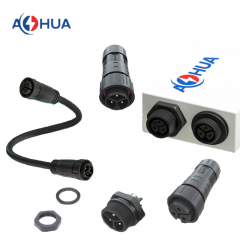
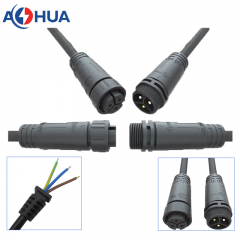
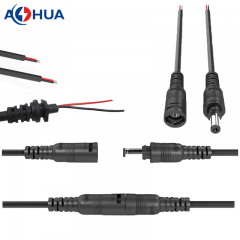
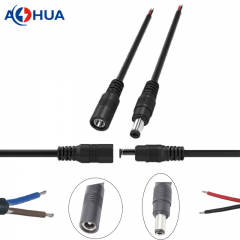
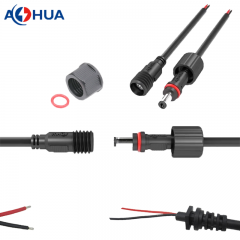
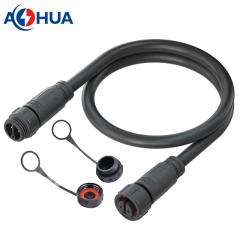
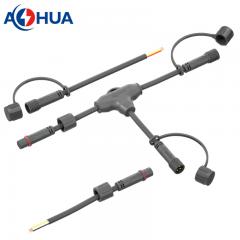
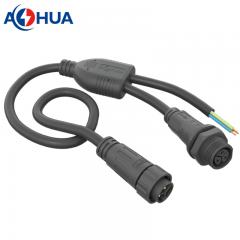

Hello, everyone, pls pay attention! There's some good news to announce!
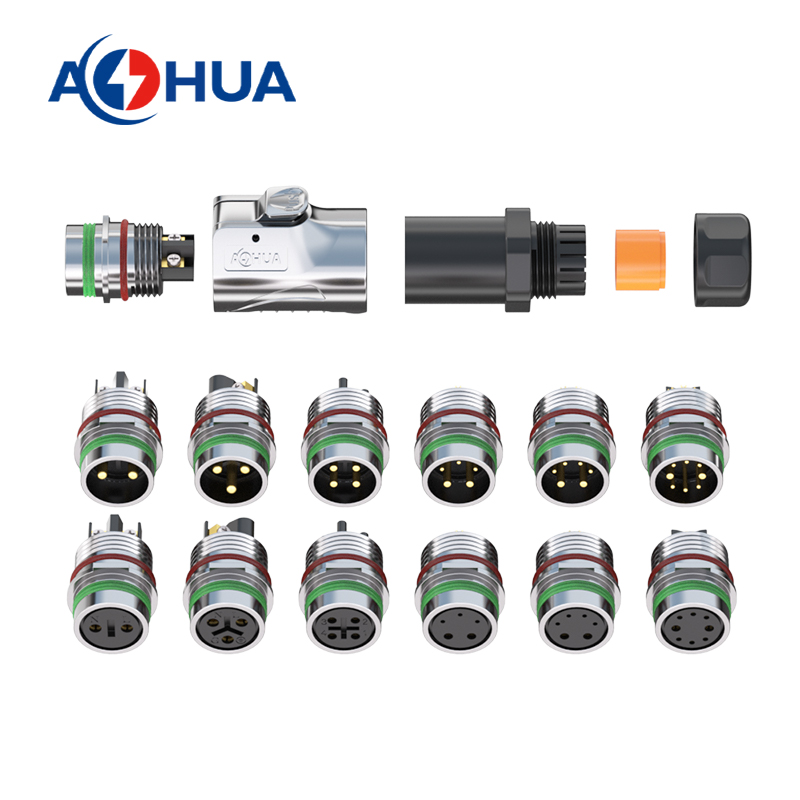
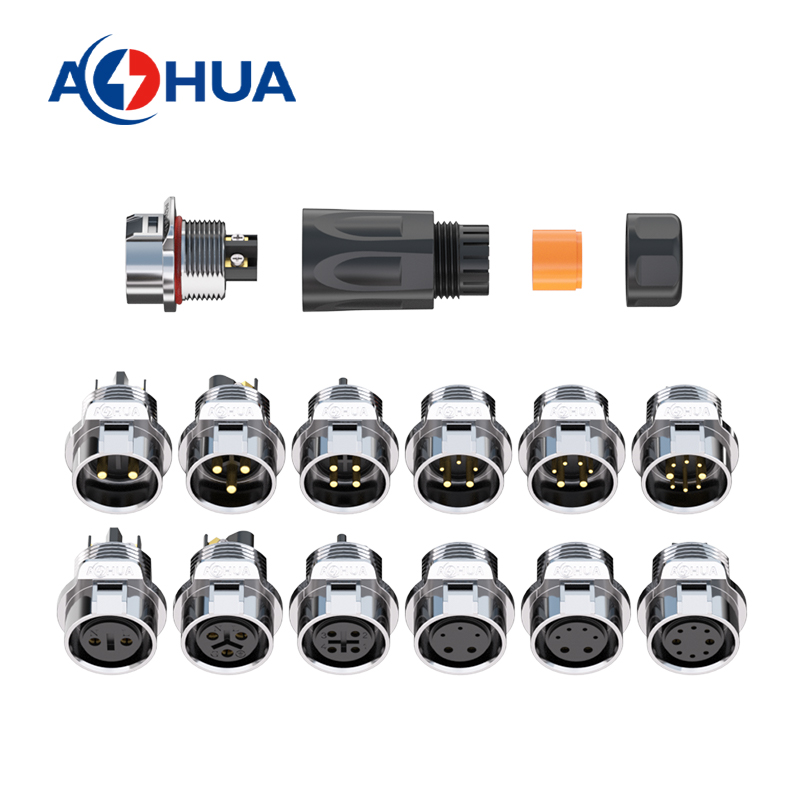
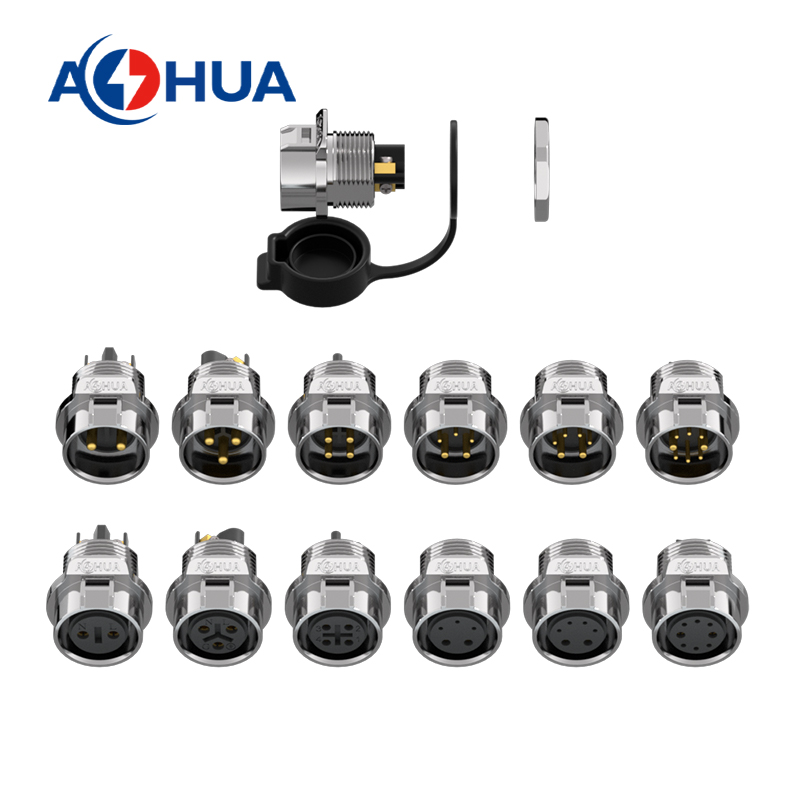
Our new connector product has been successfully developed! Our metal assembly series products(L20) are now officially available for purchase!
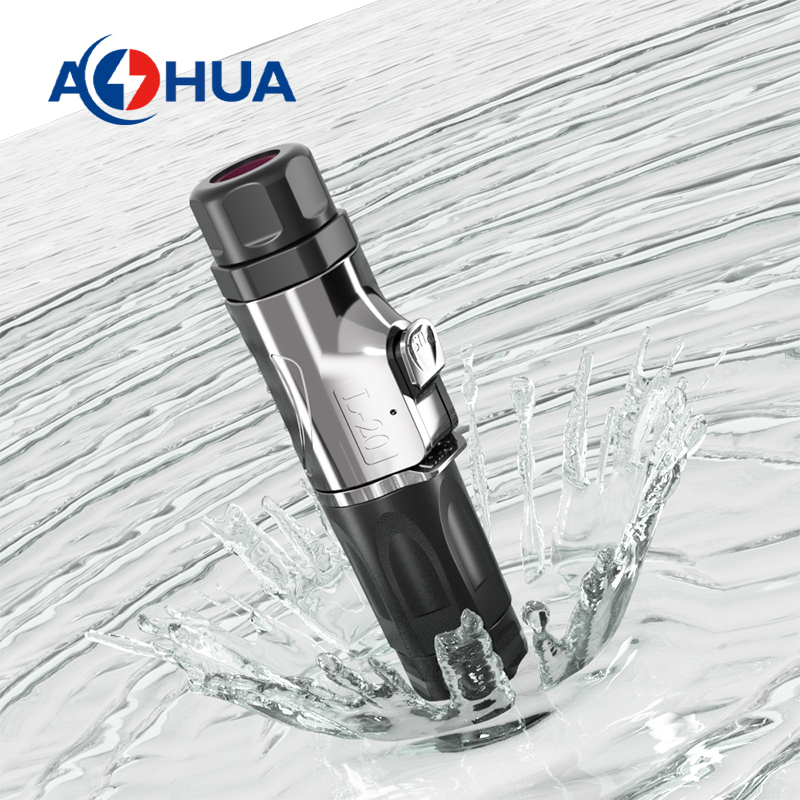
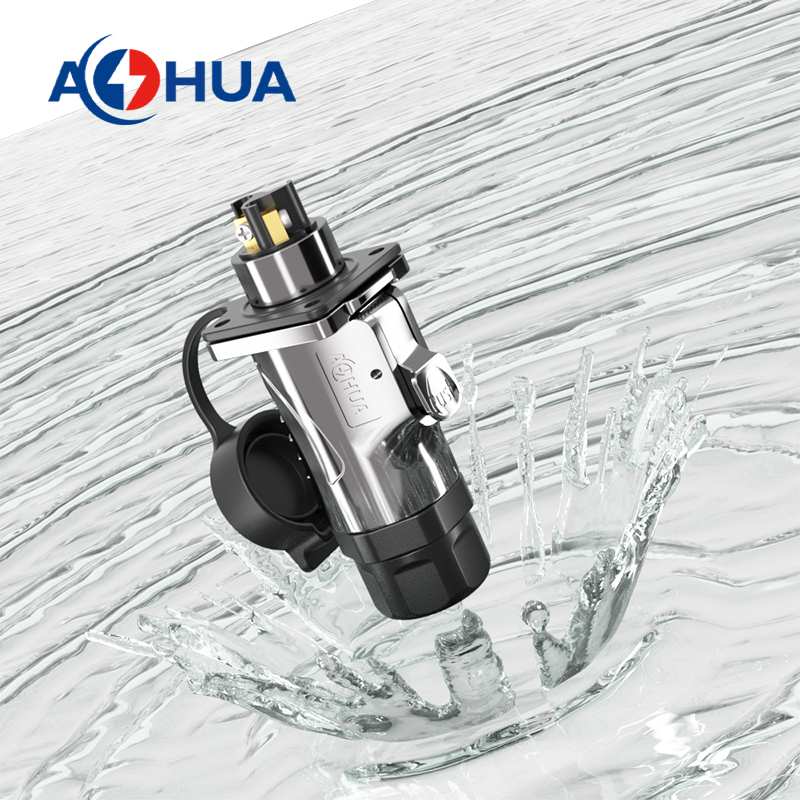
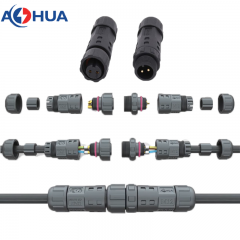
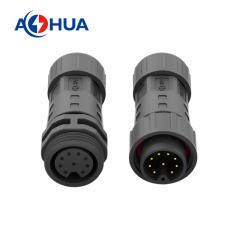
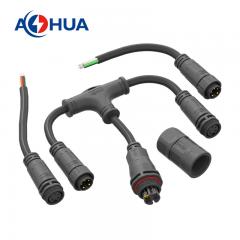
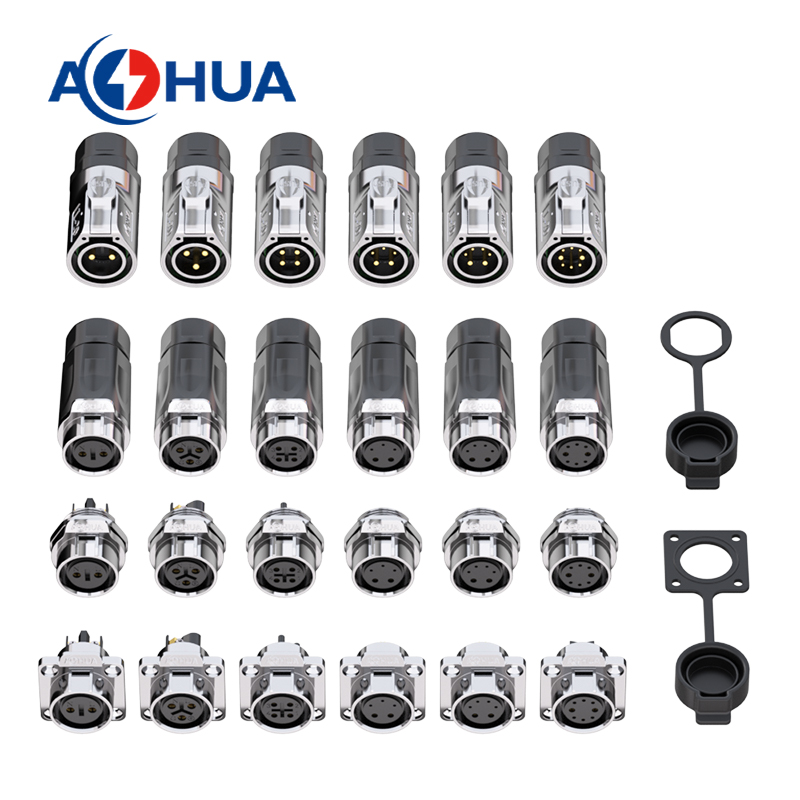
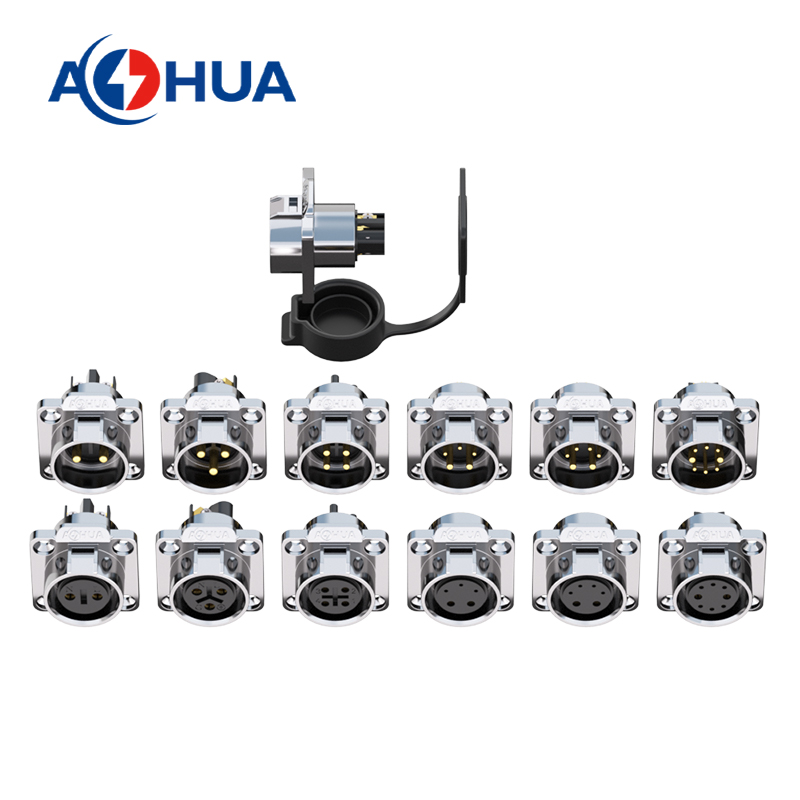
This is an AOHUA metal circular waterproof connector, L20 Type Connector an industrial-grade electrical connection component primarily used for cable termination in outdoor/harsh environments. Below is a detailed analysis:
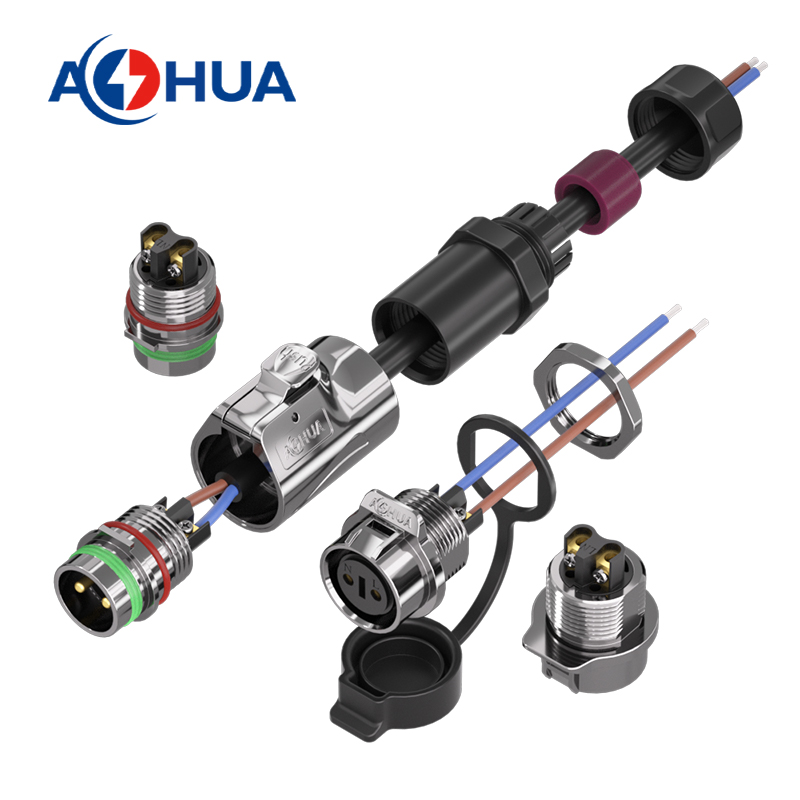
1. Product Type and Core Features
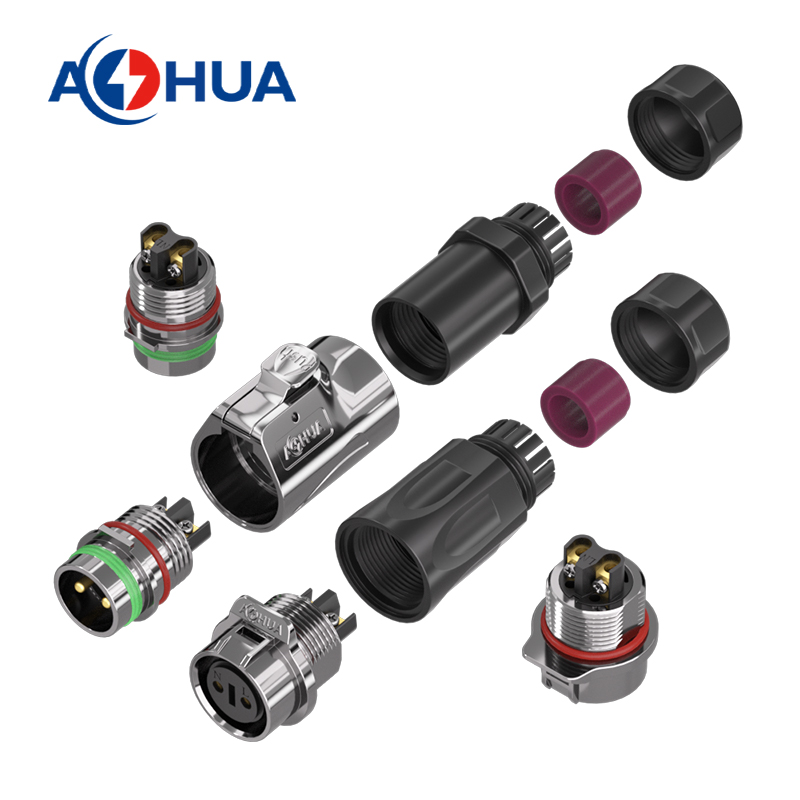
- Type: Circular aviation plug-style waterproof connector (assembly type), with the diagram illustrating the combined structure of "plug + socket + cable".
- Waterproof Rating: Typically achieves IP67/IP68 (dustproof and immersion-resistant), suitable for outdoor, industrial equipment, LED lighting and similar applications.
- Core Functionality: Enables rapid cable interconnection + sealed protection, preventing water/dust ingress that could cause short circuits or malfunctions.
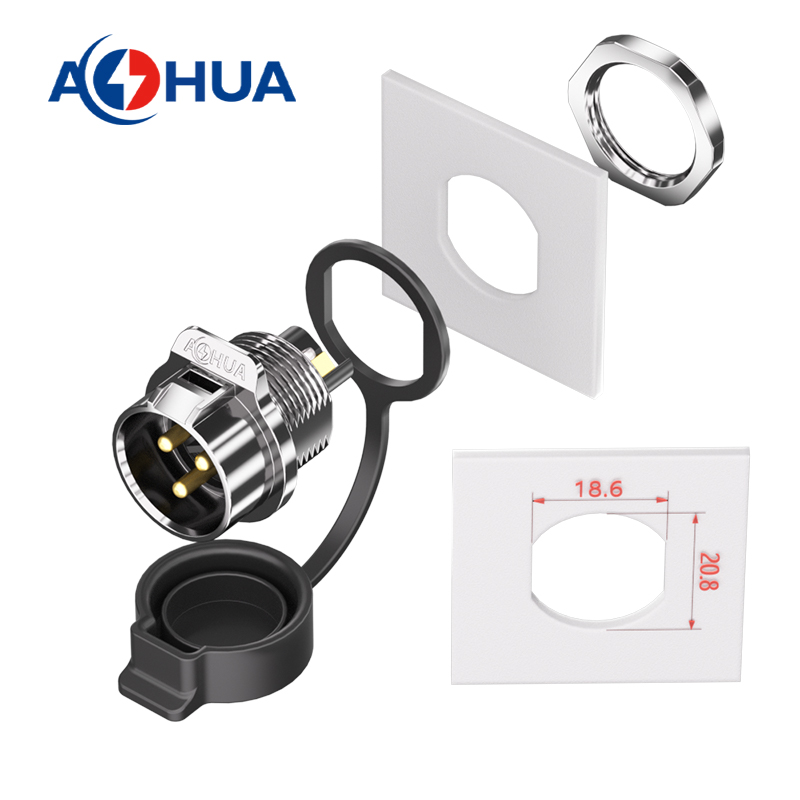
- Metal plug/socket: Silver-coloured metal casing (typically stainless steel or alloy) featuring a threaded locking mechanism (ensuring a secure connection), with gold-plated pins inside (for excellent conductivity).
-
Cable end assembly: Black plastic waterproof sheath + multi-core coloured cable (with visible yellow, red, blue and other cores), some fitted with retaining clips (to prevent cable pulling).
- Accessories: Dust cover (protects unmated sockets), panel mounting bracket (for securing to equipment casing).
3. Application Scenarios
These connectors are primarily used in:
- Cable connections for outdoor LED street lighting and landscape illumination;
- Signal/power transmission for industrial equipment and sensors;
- Electrical systems in humid/vibratory environments such as marine vessels, motor vehicles, and livestock farming.
Below is a checklist of key selection criteria for standard circular waterproof connectors, covering core parameters such as pin count, voltage/current ratings, and protection ratings. Combined with scenario-based compatibility logic, this facilitates rapid matching to requirements:
Scene Type
Core requirements
Recommended protection rating
Housing material
Number of cores
Installation method
Recommended options (examples)
Outdoor LED lighting
Waterproof, dustproof, low-cost
IP67
Nylon
2-4PIN
Panel / Wire-to-wire
Aohua M12 Series Universal Model
Industrial sensors
Vibration-resistant, signal stability
IP67/IP68
stainless steel
4-8PIN
Wire-to-wire + anti-loosening structure
TE M12 Sensor Dedicated Model
Ship / Marine Environment
Corrosion-resistant, suitable for prolonged immersion
IP68
316 stainless steel
4-12PIN
Panel + flange mounting
Amphenol Marine Grade
Industrial Equipment Power Transmission
High current, temperature-resistant
IP67
Zinc alloy (heavy gauge)
2-6PIN
Wire-to-wire + Locking mechanism
AOHUA
Military / Aviation Equipment
Temperature-resistant, interference-resistant, highly reliable
IP68+MIL Certification
Titanium alloy / Stainless steel
8-24PIN
Panel + Anti-misinsertion structure
Tyco Military-Grade Series
Parameter type
Key Selection Criteria
Example of Scenario Adaptation
PIN Number
1. Select based on transmission requirements: Power transmission (2–4 cores), Signal + Power hybrid (4–8 cores), Multi-signal (8–24 cores);
2. Reserve 1–2 cores for redundancy (to avoid inconvenience during future expansion).
LED lighting (2-4 cores), charging points (3-6 cores), sensors (4-8 cores)
Rated current
1. Single-core current ≥ 1.2 times the actual operating current (to prevent overloading and overheating);
2. For high-current applications (e.g., charging points), select 30–50A; for standard applications, select 5–10A.
Outdoor charging points (30–50A), industrial equipment (10–15A), LED lighting (5–8A)
Rated voltage
1. For AC scenarios, ≥1.5 times the operating voltage; for DC scenarios, ≥2 times the operating voltage;
2. For standard scenarios, select 250V–500V; for high-voltage scenarios (e.g., industrial equipment), select 1000V or above.
Domestic charging points (250V), industrial power transmission (500V), high-voltage equipment (1000V+)
Contact resistance
Prioritise ≤50mΩ (lower values indicate more stable conductivity), and for high-frequency signal transmission scenarios, select ≤10mΩ.
Sensor signal transmission (≤10 mΩ), standard power transmission (≤50 mΩ)
Insulation resistance
At ambient temperature ≥100 MΩ, after exposure to humid conditions ≥10 MΩ (to prevent leakage current)
Outdoor / damp environments (≥10 MΩ), dry indoor environments (≥100 MΩ)
II. Protection and Environmental Parameter Selection (Adapting to Application Scenarios, Ensuring Durability)
III. Mechanical Structure Selection (Compatibility, Installation and Usage Methods)
IV. Compliance and Additional Requirements Selection (Ensuring Security and Compatibility)
V. Prioritising Model Selection (Avoiding Pitfalls)
-
First determine the application scenario (outdoor / industrial / marine, etc.) → establish the required protection rating and environmental resistance parameters;
-
Next, match the electrical requirements (number of cores, current/voltage) → to prevent transmission overload or signal instability;
-
Then confirm the installation method(panel-mounted/wire-to-wire) to suit the equipment structure
-
Finally, add compliance and special features (certification, flame retardancy, anti-misinsertion) → to ensure safety and compatibility.
Quick Selection Guide for Common Scenarios (Direct Application)
5.The pricing of metal circular waterproof connectors is primarily influenced by the following categories of factors:
1. The material and craftsmanship of the product itself
-
Material: The stainless steel casing (corrosion-resistant but costly) is more expensive than standard alloys; gold/silver-plated contact pins (superior conductivity and oxidation resistance) are pricier than tin-plated copper; fluororubber waterproof seals (high/low temperature tolerance) are costlier than conventional rubber.
-
Processing: Complex techniques such as precision threading, surface electroplating (corrosion protection), and sealed structural design contribute to increased costs.
2. Specifications and Performance Requirements
-
Number of cores: 8-core is more expensive than 4-core (due to more complex materials and construction).
-
Protection rating: IP68 (suitable for prolonged immersion) is more expensive than IP67 (suitable for short-term immersion).
-
Special properties: Customised features such as high-temperature resistance (e.g. 150°C), high-pressure resistance, and vibration/shock resistance will increase the price.
3. Brand and Quality Certification
-
International brands (such as TE, Amphenol) or well-known domestic brands (such as Aohua) command higher prices than smaller manufacturers due to significant investments in research and development and quality control.
-
Products requiring certifications such as ISO, UL, or RoHS (e.g., for medical or aerospace applications) are more expensive owing to the substantial testing costs involved.
4. Procurement and Market Factors
-
Procurement volume:Bulk purchases (e.g., 1,000 units) command a significantly lower unit price than small batches (e.g., 10 units).
-
Customisation requirements: Customised variants with non-standard dimensions or functionalities command several times the price of standard models due to the substantial costs associated with tooling and development.
-
Supply and demand relationship: Prices may fluctuate when raw materials (copper, stainless steel) experience price increases or supply chain shortages.
5. Application Scenarios
-
Industrial/outdoor applications (requiring high protection) are more expensive than standard indoor scenarios;
-
Connectors for extreme environments such as military or aviation use may cost over ten times the price of standard models.

 86-0755-89999957
 colin@aohuadz.com